


The European Commission’s Joint Research Center published a study presenting an updated methodology for estimating the mass of packaging materials placed on the market in EU Member States for food and beverages, home care, beauty and personal care, and pet food together covering roughly 75% of the European consumer packaging market.
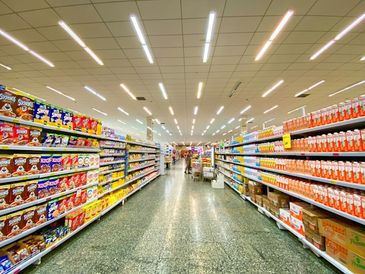

From 19 July, large companies across the EU have been prohibited from destroying unsold clothes, clothing accessories and footwear. Medium-sized companies will be subject to the same rules from 2030.
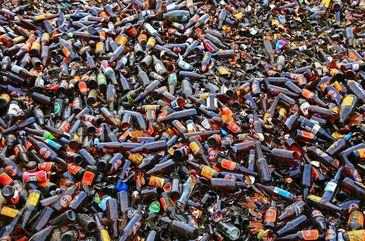
The European Commission decided to open infringement procedures by sending a letter of formal notice to Germany (INFR(2026)2137), Greece (INFR(2026)2138), and Cyprus (INFR(2026)2139), and to send a reasoned opinion to Bulgaria (INFR(2024)2128), Czechia (INFR(2024)2137), Greece (INFR(2024)2132), Spain(INFR(2024)2147), Croatia (INFR(2024)2133), Cyprus (INFR(2024)2131), Hungary (INFR(2024)2134), Malta (INFR(2024)2135), Poland (INFR(2024)2126), Portugal (INFR(2024)2145) and Romania (INFR(2024)2136) for failing to meet several waste recycling targets, based on the latest available data reported by Member States.
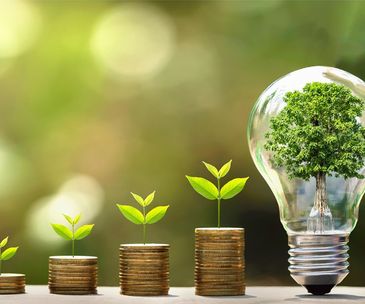
Extended Producer Responsibility Schemes have the potential to serve as an effective mechanism for financing the environmentally sound management of products at their end of their life cycle. Over the past decades, EPR schemes have contributed to significant improvements in waste collection and recycling rates across several sectors.

The European Commission has recently published the Implementing Regulation of the (EU) 2024/1252 Critical Raw Materials Regulation. The Implementing Regulation establishes the list of products, components and waste streams considered as having a relevant critical raw materials recovery potential.
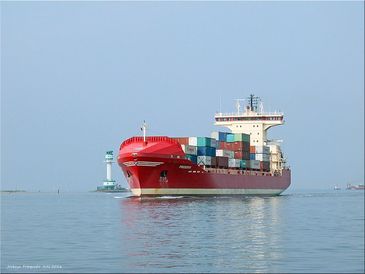
Digitalisation of waste shipment procedures is one of the key deliverables of the new Waste Shipment Regulation, as it will facilitate shipments of waste, notably between EU Member States, ensuring that waste is shipped to the best option for its treatment while maintaining a proper level of monitoring.

Between 2012 and 2021, the amount of Waste Electrical and Electronic Equipment (WEEE) generated in the EU increased from 7 Mt to 8,4 Mt (+ 20%) [1], making WEEE one of the fastest growing waste streams in Europe and globally.
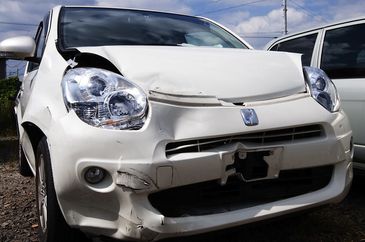
The Council presidency and the European Parliament’s representatives reached a provisional agreement on the regulation concerning circularity requirements for vehicle design and the management of end-of-life vehicles (ELVs). The new rules will replace the two existing directives and set requirements to ensure that new vehicles are designed in a way that supports their re-use, recycling and recovery.